Target Market Selection
Target marketing is a particular market segment at which a marketing campaign is focused. When selecting a target market it is important to make sure that it fits the company’s objectives, resources, and capabilities.
There are different aspects that should be considered when evaluating your market segment. For instance; risk level, competition in the segment, the growth rate of the segment, brand loyalty of existing customers in the segment, the size of the segment, sales potential, etc. There are other market research and analysis that should also be considered like test marketing, buyer intentions, and sales potential.
Different market segments for targeting:
- Single-segment/concentrated- one market and not the entire market.
- Selective specialization/differentiated strategy- a segment that is based on its range of products instead of one market.
- Market specialization- specializes in serving one particular market segment with an array of different products.
- Full market specialization- targets the entire market. This is a mass market strategy, different segments.
If a company develops a strong competitive advantage, it may find it profitable to pursue a larger segment. Although larger segments may have more competition and not necessarily profitable. It’s important for the company to offer superior value to the targeted segment and also get a positive return on investment.
Gamification

Gamification is the application of typical elements of game playing (e.g., point scoring, competition with others, rules of play) to other areas of activity, typically as an online marketing technique to encourage engagement with a product or service. Another definition is gamification is the concept of applying game-design thinking to non-game applications to make them more fun and engaging.
Gamification is playing a huge part in marketing and business in general. Although, many consider gamification as a fad, I think a properly implemented gamification system can have a successful outcome. I will discuss how a successful gamification system can extend relationships, engagement, drive employees and customer loyalty.
Gamification attributes fun, fast feedback, play, transparency, competition, collaboration, and design.
The first factor that determines a successful gamification strategy is intrinsic motivation. Intrinsic motivation is a drive that comes from within, inside an individual and not from external (extrinsic) sources.
Andrzej Marczewski’s RAMP theory illustrates that there are four key motivational drives which should be used to implement a successful gamified system.
- Relatedness: social status, connections, belonging.
- Autonomy: creativity, choice, freedom, responsibility.
- Mastery: learning, personal development, levels.
- Purpose: altruism, meaning, a reason why
Relatedness is the “glue” in making gamification successful. A lot of people have the desire to interact and be connected with others; there is a sense of belonging and being connected.
Gamification examples:

Deloitte, one of the world’s largest consulting firms in the world used Badgeville gamification and behavior management platforms to connect their consultants across the globe. The purpose was for all consultants around the world to share knowledge and expertise. With help from Yammer (social media platform) and the Geo-location system Who, What, Where and Badgeville mobile SDK, they created a mobile application that rewarded their consultants for “checking in”. According to Deloitte, they have seen an increase in knowledge sharing and better collaboration between the company and employees.
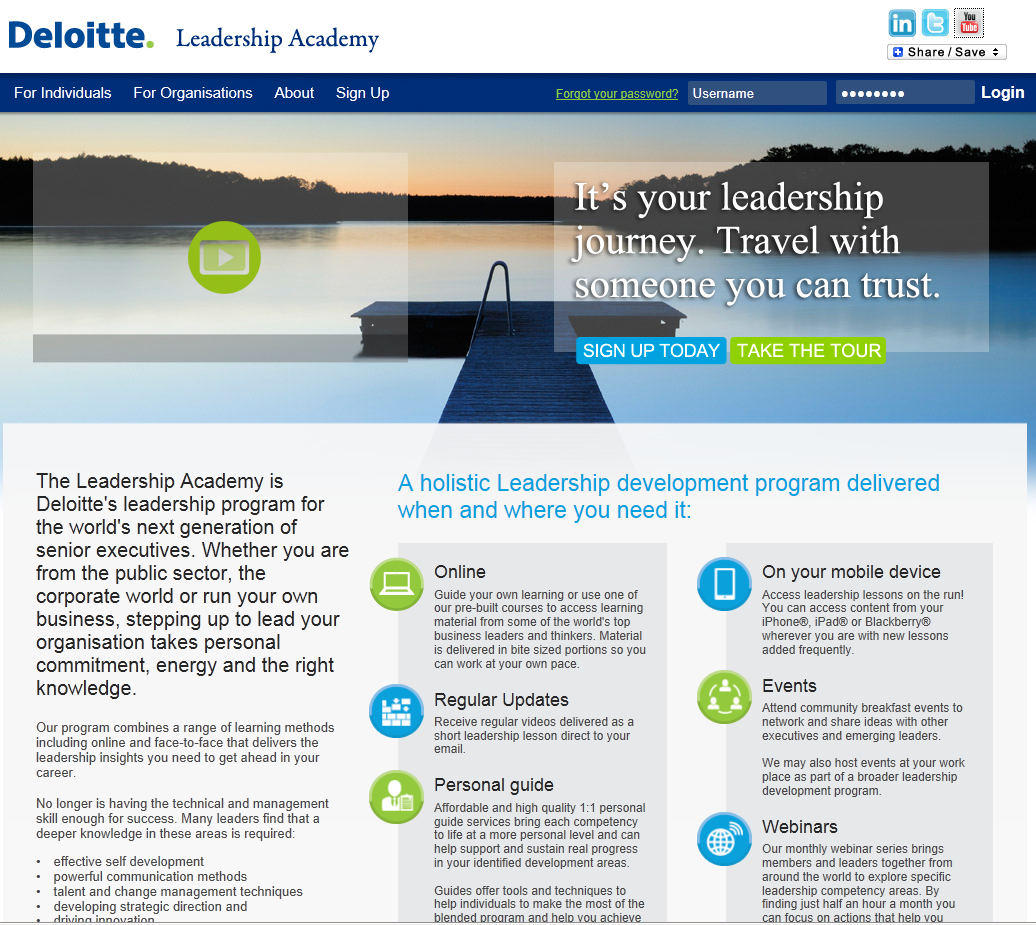
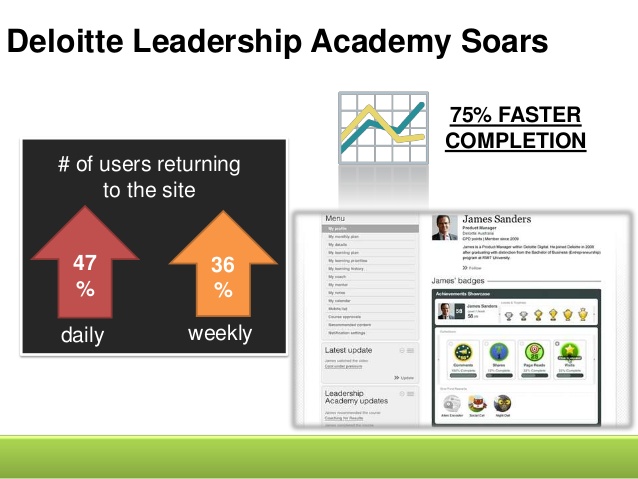
Deloitte created a leadership academy, an executive program that enables their executives to through training. To gamify, they used missions, rewards, ranks, status and more. They saw an increase in user retention, active user engagement, and adoption.
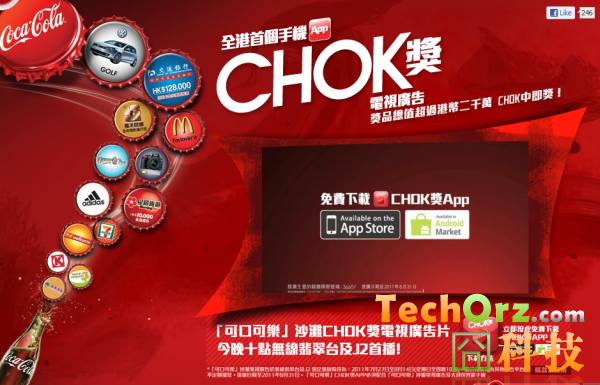
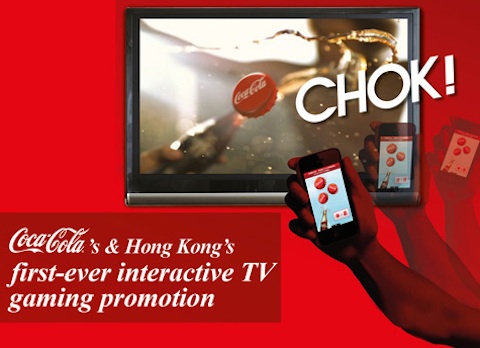
Coca-Cola is one company that has been very innovative with their marketing campaigns by using gamification. In South Korea, Coca-Cola used a vending machine challenge at a mall for visitors to dance for a chance to win a free coke. A different challenge was created in Europe, which challenged commuters to be James Bond to promote the release of Skyfall.
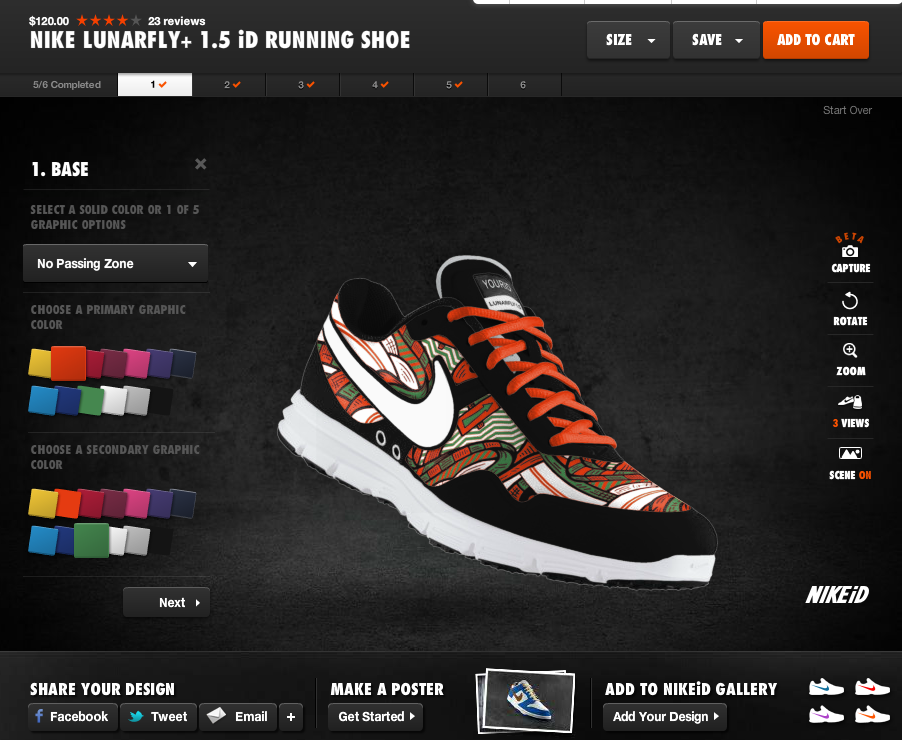
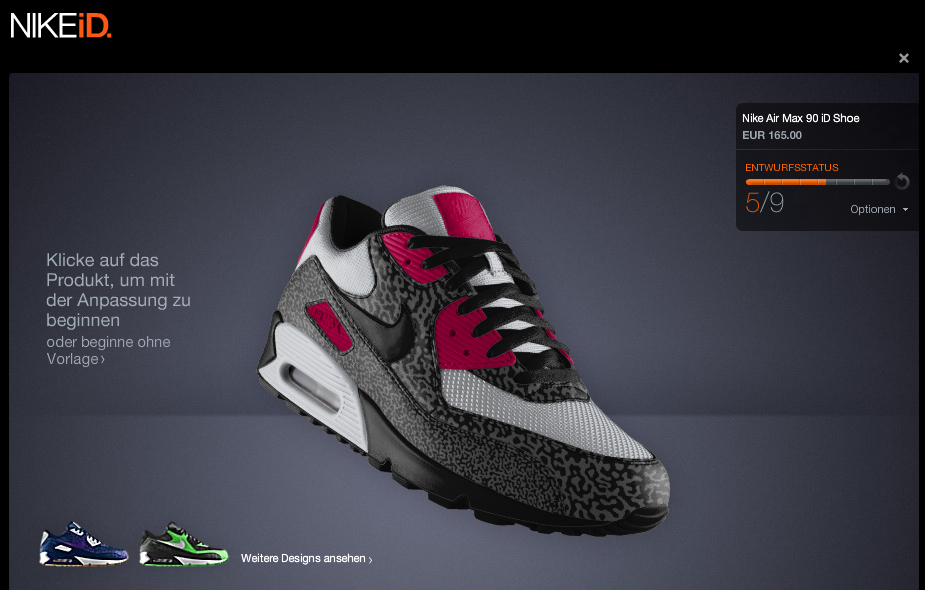
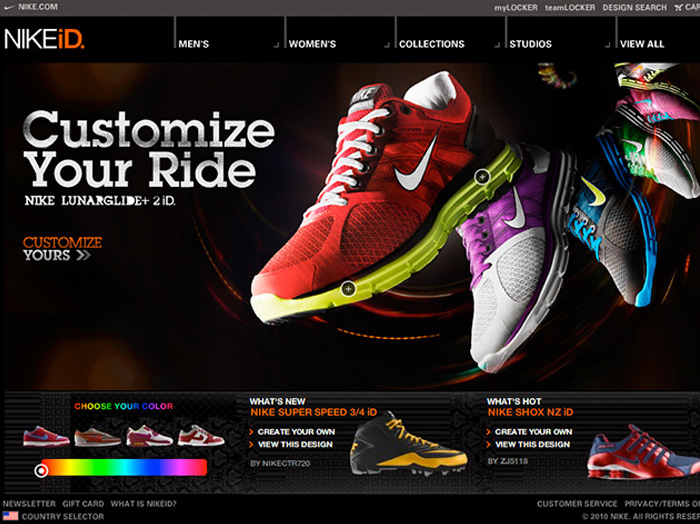
Nike is another company that is using gamification to engage with their customers. Nike started NikeiD shoes, it allows customers to customize their own shoe with their favorite colors, materials, sizing, and any other personalization a customer may wish.

Air Miles gamify travel by encouraging customers to collect miles that in return they can exchange for goods and services. To build up more points, customers buy extra flights. Through this model, it enables airlines to increase ticket sales since customers buy extra flights to build up points.
These examples showcase that a properly implemented gamification system can increase engagement, drive employees and customer loyalty.
Mobile
Mobile marketing is rapidly growing and is becoming essential for any business. Mobile drives business growth and closer to consumer engagement. Consumers are changing with technology, they no longer simply go online, and they go on-line on the go.
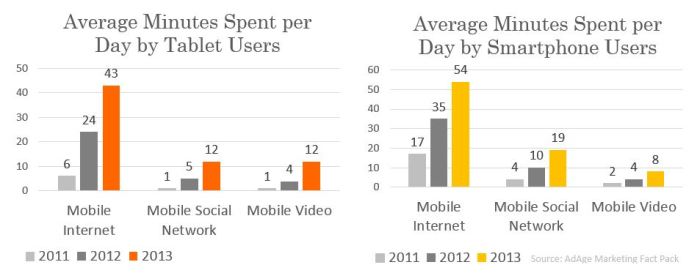 Mobile is one of the fastest growing industry. Businesses are discovering ways to utilize mobile marketing, and it is very essential for business development. Marketers have enormously started to spend their dollars on mobile. According to eMarketer, in 2010, a mere “2.1% of all digital search ad dollars were spent on mobile devices.” That amount increased 22.1% in 2013 and is expected to exceed 59% by 2017.
In the past week, I decided to track my mobile movements. At beginning, I thought this might be baffling but I soon realized that I do spend some time on my mobile mostly marketing related. On a daily basis, I go over the latest news, trends and sometimes I record my favorite shows through my phone via a mobile App. When it comes to marketing news, I normally share the latest news with my followers on Twitter. Second screen plays a huge part when it fares to certain shows, for example; I tend to tweet when I watch a show called Shark Tank. One thing I realized since I came back from my vacation is that I see a lot of travel/vacation Ads, mainly the places I visited before.
Marketing is increasing becoming proactive with targeting consumer whereabouts. One mobile solution that I believe will definitely change the mobile industry is the ability to find my current needs or emotions instead of behavior targeting, which could sometime not be accurate. For instance, I still get the hotel deals while I am not planning to travel anytime soon. But I believe soon this type of targeting will end.
In Guatemala, a specialty shoe retailer called Meat Pack, uses location data to detect when its customers are in rival’s store in the same area. In return, it then sends offers to the customer’s phone. This shows how the future of mobile is changing. In Bangladesh, there is a computer program evolved by researchers, the program recognizes user’s emotions. The program tracks keystrokes dynamics and analyzes patterns. The future of this wonderful technology is very bright.
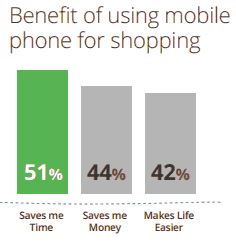
Go Mobile, it saves time, money and makes life easier!
Sources: thinkwithgoogle.com
AdAge Marketing Fact Pack
Mobile Marketing Watch
Forbes (http://www.forbes.com/sites/drewhendricks/2014/09/11/5-tips-for-perfecting-mobile-marketing/)
Marketo Blog – My Favorite Blog
The Marketo blog is one of my favorite marketing blog. This blog has so many features and categories to choose from social media to marketing automation as a digital marketer I find that very useful. The blog doesn’t have a lot of comments which is very un-usual for a blog of this magnitude, but most of their articles are shared on social media.
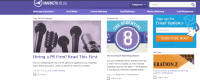
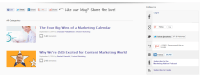
The most intriguing part of this blog is the fact that I can spend hours digging into the archives. On top of the page they have different sections like the new post, featured posts and hot posts. These features give me an option to which section I would like to visit. On the side of the blog, you can see the most shared articles, top articles and how a reader can connect with them on social media.
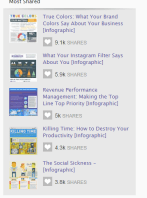
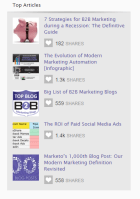
In addition, they offer podcast with different episodes plus their expertise on free tools and best practices for marketers.

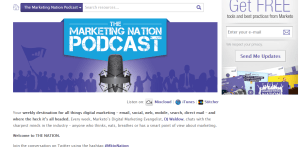
This blog is very informative and as a reader, I feel a connection with the writer. This blog is a perfect example of “simplicity”.
“The art of art, the glory of expression and the sunshine of the light of letters, is simplicity” ~Walt Whitman
Digital Marketing Trends and Predictions for 2014
I would like to share with you all this info-graphic (2014 digital marketing trends and predictions). This info-graphic from Position2′s was too good not share with my followers and visitors/guests.
I believe in 2014 Marketers need to focus on Mobile, Content Marketing, Email Marketing, Marketing Automation and Social Media.
Share your thoughts about this info-graphic in the comments section?

Why Real-Time Marketing is Real
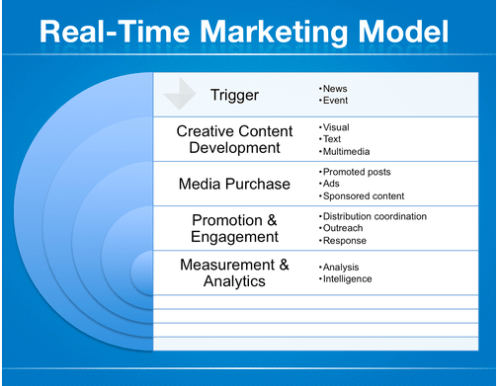
Real-time marketing refers to the speed in which the content hits the market.
Brands can use real-time marketing to monitor their digital environment, respond in real-time, build a relationship, increase and promote participation. Marketers are still trying to figure out how to master this strategy. Real-time marketing requires originality.
It takes grit and creativity for brands to successfully implement real-time marketing into their marketing tactics. It takes creativity to make a clever tweet but it brings a whole new level of creativity for brands to create mini-campaigns to leverage breaking news about their brands in a timely manner.
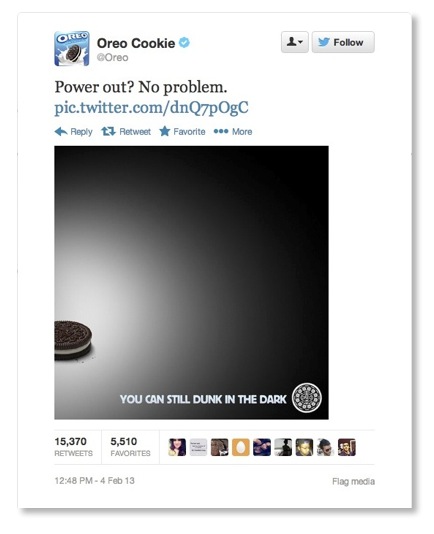
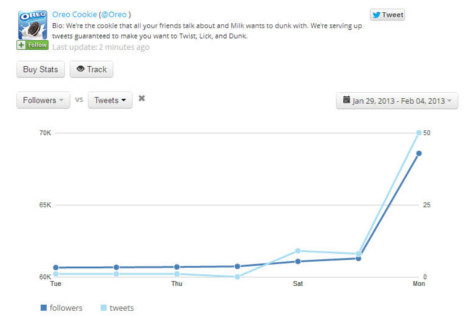
Oreo, a popular cookie brand, is one brand that introduced and dominated the concept of real-time marketing in the digital world. Oreo cookie released a simple special tweet/image that capitalized on an expected power outage second of half of the Super Bowl in February. Oreo cookie took two minutes after power failure to come up with this concept, the image led to a massive brand awareness boost to the brand. The image was retweeted more than 15,000 times, accrued 19,610 Facebook likes within the first hour.
Oreo’s marketing campaigns always spoke to the target audience. Oreo’s marketing team is definitely taking the digital world by storm; in the 2011 Guinness Book of World Records awarded them with the record of most “likes” on a Facebook post within 24 hours. Today, they have doubled their Facebook likes from 16 million to 32 million. Oreo cookie has one of the most creative and successful real-time marketing campaigns.
Janda Lukin, Brand Director said, “we will continue to look for ways to grow and expand in [the digital] area – always keeping the filter of looking at the world through the eyes of Oreo.
Oreo’s real-time digital marketing efforts have thus far paid off. By observing Oreo’s cookie marketing tactics, one can begin to understand what real-time marketing is and how it can be used with a good humor. Oreo 101-year old cookie has the best digital marketing campaign to date, and they have set a whole new standard for marketing in the digital age.
Zappos Real-Time Marketing
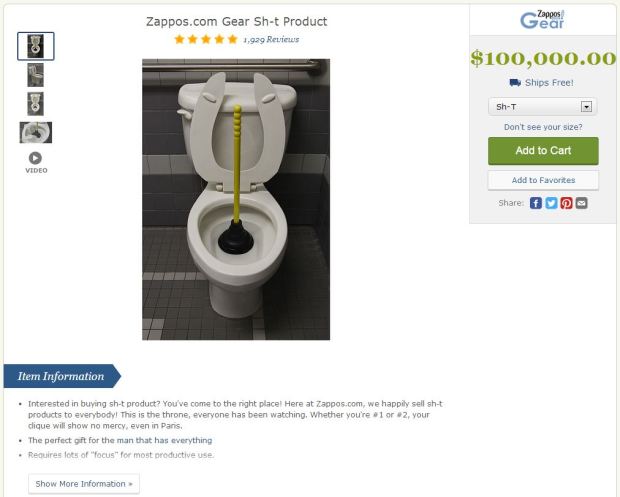
Zappos, an online clothing store. After Kanye West lashed out against Zappos in a radio interview; defaming the company by telling the world that the company sells “Sh*t products”. Zappos’ quick response was a toilet plunger: new product line named “Zappos.com Gear Sh*t Product.”
I applaud Zappos for a quick response to a crisis mixed with good humor. The art of real-time marketing is making sure you’re always ready.
See the picture below.
Thanksgiving openings are the new normal, get with it or get left behind
Thanksgiving brought a huge crowd, with most people substituted turkey for a discount. Every year companies review their competitive market and how consumers are changing their shopping habits, what other retailers are doing and what methods they are espousing.
More than a dozen major retailers from Target to Staples opened on Thanksgiving. The Thanksgiving openings come despite planned protests across the country from workers’ groups that are against employees missing Thanksgiving meals and spending time with their beloved ones at home. In the past few years, many retailers were warming to the idea of opening on Thanksgiving night as they have now pushed up discounts that were reserved for Black Friday into early November.
This year, retailers made headlines on Thanksgiving Day in a greater number than ever before. Companies like Wal-Mart had adopted this method before, and more companies are following suit. Wal-Mart said more than 22 million people showed up to its stores on Thanksgiving and Black Friday, with an estimation of 10 million register transactions between 6 p.m. and 10 p.m. on Thanksgiving. Toys ‘R’ Us in Manhattan had more than 200 people stood in line before its 5 p.m. opening.
Mall stores such as Old Navy and Abercrombie & Fitch also opened Thursday night. Some stores had people waiting to go into specific stores as early as 11 a.m., nine hours earlier than opening. Last year Macy’s, J.C. Penney and Kohl’s didn’t partake, but this year Macy’s drew a record-breaking crowd on Thanksgiving.
Target said it saw lines stretch for several blocks before its 8 p.m. openings. And Toys ‘R’ Us saw crowds gathering at 4:30 p.m. The online sales were also robust, with Adobe says online purchasing surpassed $1 billion for the first time. IBM Digital Analytics Benchmark said Thanksgiving web sales rose 20% from 2012, with an average order value of $127.59. Social media platforms like Instagram announced that Thanksgiving 2013 in the US was the busiest day on Instagram so far.
Thanksgiving opening is getting more popular, and it has in fact taken a bite out of Black Friday sales since last year. Sales on Thanksgiving were $810 million last year, an increase of 55 percent from the previous year as more stores opened on the holiday, according to Chicago research firm ShopperTrak. And sales dropped 1.8% to $11.2 billion on Black Friday, even though it was still the busiest and the biggest shopping day last year.
How Productive Social Media Managers Spend Their Day [infographic]
How Social Media Marketers/Managers handle their day-to-day challenges?
Social media marketing is becoming increasingly popular, as more and more businesses are warming up to social media. The social media battle is huge, and the demand for social media managers is on the rise. As a social media marketer, managing and maintaining all social media platforms is a challenging task. It requires keeping with industry news, trends and posting refreshing contents from a lot of resources. Another important aspect is engaging with others in the industry with regular chats, for instance, #brandchat.
For those who are still unsure how social media marketers spend their day-to-day challenges and work. Take a look at this info-graphic by RazorSocial that shows how a productive social media marketer spend their day, including social media management tools. If you want to be a smart social media marketer learn how productive social media marketers spend their time.

Courtesy of Razor Social.
Color in Branding
We all encounter color in our everyday lives, from traffic lights to the products we buy. Color certainly influences what we read and what we buy. Have you ever thought about the importance of color in branding?
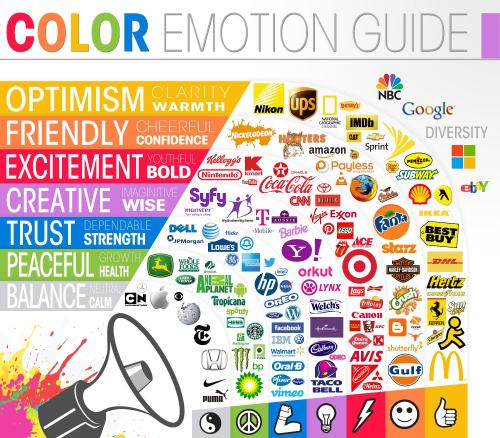
The proper use of color in branding is vital, and it plays an integral part in memory recall. Color stimulates all the senses, instantly conveying a message like no other communication method. Color conveys meaning and message without words and it should represent your brand’s image.
Choosing the correct color for your brand is crucial, the colors you use in your branding efforts should be carefully weighed because it sets you apart from your competitors’ products and logo. Each color triggers certain emotional and psychological reactions.
You want your brand perceived in a way that is rememberable to your customers, some brands are instantly recognizable by their colors. For example, McDonald’s use their brand color “yellow” to great effect. Yellow is the most visible color, which is why the McDonald’s M can be seen from a great distance. (Test your knowledge of trademarked colors by taking this pop quiz)
Visualize the color blue
Blue is a very popular color for corporate websites because it conveys communication, authority, and clarity. Many global companies like IBM, JP Morgan, Samsung, AT&T, BMW and General Electric use blue as the primary color in their logo. And most websites incorporate blue or at least one shade of blue into a design or logo.
 Have you ever thought why social media sites use blue? Twitter, Tumblr, WordPress, LinkedIn and Facebook, they all use blue in their brands.
Blue is gender neutral and generally associated with the mind and intellect and it is the most popular color in the universe. This is not a coincidence that all social media giants picked blue. There is no doubt that they must have invested a great deal of money and time to make sure that they chose the right color for their brands.
Blue dominates the world-wide web including my blog header. From Reddit, Skype, Mashable, Foursquare, Digg, MSN Windows Live, Mozilla Firefox, Microsoft, Skype, the White House website.
Facebook CEO Mark Zuckerberg was asked why he decided to make Facebook blue in an interview. His answer was “Blue is the richest color for me and I can see all of blue”
Color plays an integral factor in the success of your business! Think carefully and choose wisely.
Do you believe there is a psychology of color?
Recognisable Brands Test brand color test
Lastly, if you’re questioning the power of color in branding, look at this example:

Favorite Commercial
After I viewed most of the Ads (new and old) I picked Apple’s 1984 Mac Ad as one of the greatest, even though the budget was $900,000, one of the most expensive advertisements in television’s history. This ad was the birth of Apple; Steve Jobs thought that it would generate a buzz for the Macintosh without even featuring the product itself, this was a genius idea from one of the greatest thinkers ever. The storyboard was amazing, from hundreds of men listening to Big Brother on a huge screen to the model running into the room and destroying the screen with a baseball bat and freeing the men from Big Brothers grasp.
I read online that the response to the ad was so strong that Apple bought months of ad time on ScreenVision, a company that sold ad time in movie theaters. Some owners reaired the ad for months after Apple’s contract ran out with ScreenTime because they were so enamored with the commercial. Great ad and great concept.
Kmart Christmas Ad Airs In September
I watched my first Christmas commercial of the year last week (3 months earlier). The commercial, which features a giant gingerbread man and promotes the company’s layaway program, warns shoppers to not “let the holidays sneak up” on them.
My $0.02
This is a great marketing strategy by Kmart, this means customers can plan ahead of time and spend wisely. Planning well in advance leads to more savings, more creativity, more choices, more flexibility in your schedule that can lead to more generosity. I suppose it also reduces impulse buys, last-minute panics, price gouging and out of stock must haves.
The National Retail Federation says more than 40 percent of holiday shoppers start buying before Halloween. I realize that several retailers have already announced their layaway schemes. I think Costco is one of them, I haven’t been there in a while to confirm this assertion.
What do you think of the timing of Kmart’s Christmas ad?
Too soon or just right? or is it great marketing strategy to make customers become more budget conscious?
Carlton Draught – Big Ad Commercial
Carlton Draught, the Australian beer. The Big Ad is a larger than life commercial.
This ad was a genius idea by George Patterson and Partners (Young & Rubicam) of Melbourne, Australia. Big Ad parodies the visual style of battle sequences used in notables movies like Lord of the Rings, the story is about two battle teams. In the end one group looked like a man and the other as a pot of Carlton Draught beer. The ad was catchy, interesting, musical, very dramatic with a touch of humor in it.
This was considered an expensive ad, but it entertained people, and the ad took 7 months to launch. The agency used viral marketing techniques to promote the ad before it was broadcast on television. A half a million people watched the ad on the web. Within 24 hours after release, the “Big Ad” had been downloaded 162,000 times; two weeks later, it had been seen by over one million viewers in 132 countries making it the biggest viral Australian beer launch in history.
The “Big Ad” has since received over 30 awards globally. But it was reported that given its popularity, it didn’t increase the shareholder value to match the hype and popularity.
Enjoy “The Big Ad”
Social Media Analytics Tools
Social media analytics is the practice of gathering data from social media websites, blogs such as Twitter, Facebook, Digg etc., and analyzing that data to make business decisions, ideas or solutions. Social media analytics are mostly used to support marketing or customer service activities, but this depends upon your type of business and your goal.
The first goal is to determine what are you trying to analyze and what is your end goal. For instance, some companies use analytics to find better ways to engage with customers, to reduce customer service costs, to determine the return on investment, feedback, or amending the public opinion of a particular product or service.
Once you identify your end goal, key performance indicators (KPIs) for objectively assessing the data should be placed. For example, on Twitter customer engagement might be measured by the number of followers, retweets, mentions or clicks on a link.
There are so many social media analytics tools that measure performance. Below are different social media analytics tools.

Works with all major social media channels
Facebook, Twitter, Vine, Instagram, YouTube, Google+, Klout, and Google Analytics; Tumblr, Pinterest, and LinkedIn is coming soon. With Simply Measured, analysis doesn’t stop with one profile. Measure the cohesive relationship between each network, your competitors’ social profiles, and how your audience interacts throughout the entire social space.
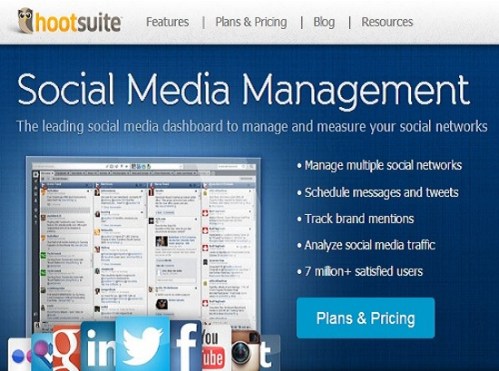
Hootsuite is one of those multi-function social media tools.
The leading social media dashboard to manage and measure your social networks. You can manage multiple social networks, schedule messages and tweets. Track brand mentions. Analyze social media traffic. 7 million+ satisfied users. You can post updates on a wide range of social media accounts: Twitter, Facebook, LinkedIn, Google+, YouTube. Tumblr, WordPress.
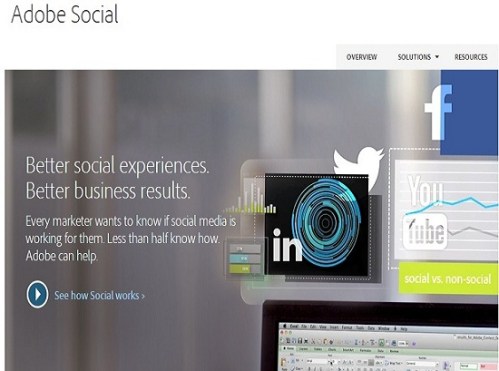
Social marketing is all about relationships. With the new Adobe® Social, marketers finally have a comprehensive solution to build stronger connections through the content that’s guided by tangible data. Create the most relevant posts, monitor and respond to conversations, measure results, and connect social activities to business results.
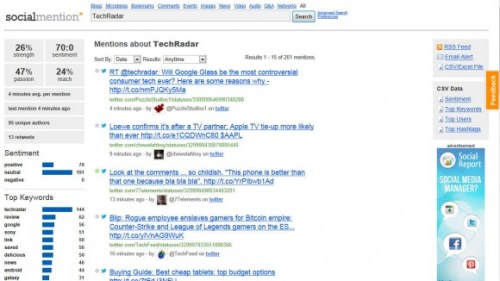
Social Mention is a social media search engine that searches user-generated content such as blogs, comments, bookmarks, events, news, videos, and microblogging services. It allows you to easily track what people are saying about you, your company, a new product, or any topic across the web’s social media landscape in real time.
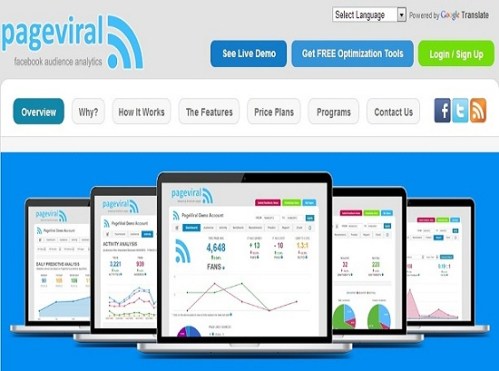
PageViral tracks real-time user behavior, sentiment, engagement and interaction patterns in 41 different languages. PageViral is one of the very few multilingual social media analytics platform in the industry. Multi-Lingual support is a subset of our natural language processing technology, which analyzes audience interactions in their own native language. You get to identify key influencers and understand your audience better, including how they feel towards your brand, how they engage, their active time intervals, etc.
Conclusion
In social media, it is important to determine if you’re reaching the right audience and connecting with them. Regular reports and metrics enables you to figure out the best solution and gain insights for your company or brand.
YAHOO! New Logo
 Yahoo! Has unveiled its first major logo change in 18 years. Yahoo logo has been mostly the same since 1995, but the last logo update was 2009 (18 years ago). Yahoo spent the month of August releasing teaser designs one a day, which was a setup for a more exciting swerve on day 30. This new change is trying to breathe new life into the brand.
The new logo retains many of its predecessor’s qualities, but unless you have studied design it’s hard to differentiate the new logo with the old one. The logo retains the traditional elements, the color remains purple, though a bit darker, the letters capitalized and rounding off with the signature exclamation mark. In some versions the exclamation dances around. Overall the look is sleek, cleaner with a new sans-serif typeface. See the previous logo below.

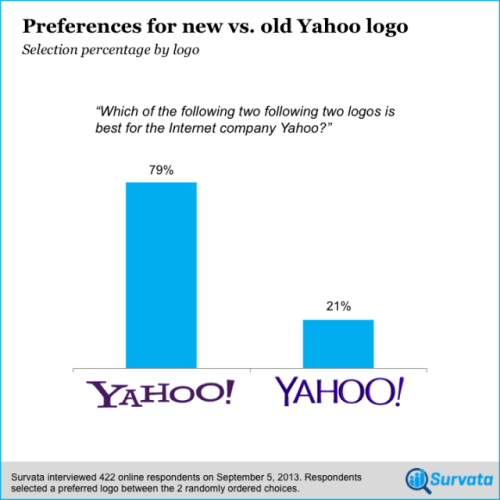
The unveiling generated a lot of an unfavorable buzz on social media platforms. Most of them were in favor of the old logo and widely viewed the new logo as a let down. More than three-quarters of Internet users prefer Yahoo’s old logo to the new logo, according to a survey of more than 400 online respondents Thursday from Survata, a market research group. See below.
My $0.02
Most people hate change, I would have guessed even before the release that consumers would vote for the old logo. This new logo is close to the old one, and I may not be a designer but that is a good outcome for Yahoo and its customers because they haven’t made a major change. Consumers can still identify with the color purple as well as the exclamation mark, and these two are the most important symbols for Yahoo.
In most recent years, companies like Gap, J.C. Penney, MasterCard, Microsoft and Tropicana have experienced disastrous logo changes. Yahoo will not experience a similar fate because it has clearly communicated through the change with the 30-day rollout. Most importantly Yahoo is not a physical product that consumers need to locate in stores. I doubt somebody will quit using Yahoo because the logo is so “a decade ago”.
The new logo shows a more serious look, signaling to consumers, investors, others in the tech world and employees that change is occurring. The 30-day rollout was successful in creating a buzz about Yahoo and sharing these variations prepared consumers for the change.
Even though this new logo generated a lot internet hate but if you think about it, a bad Yahoo logo made everyone talk about it. It was a successful campaign to get the media and consumers stay afloat for 30 days. On the whole, people are paying attention to Yahoo again. I believe in no time consumers will get used to the new logo. By the way, I like the new Yahoo fantasy football (soccer) layout. I Play for fun with people around the globe.
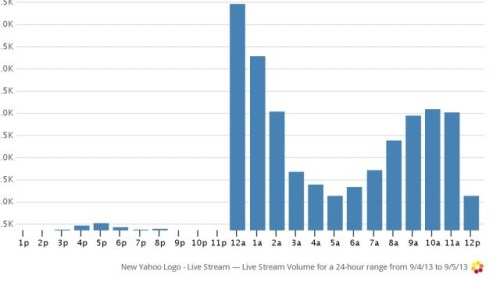
New Yahoo logo live stream.
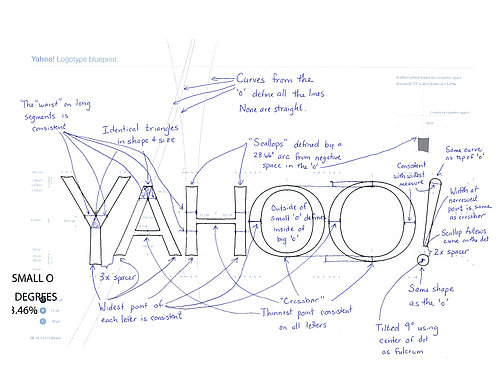
The logo concept..
Placebo Effect in Advertising
This A new study suggests that the placebo effect can be invoked by advertisements.
As with all kinds of placebo effects, the placebo effect plays an important role in advertising especially during drug trials. The strongest factor behind the placebo’s in advertising is that it can influence the actual effectiveness of a product.
The expectations play an important role in the placebo effect; companies use the placebo effect in advertising to influence customer buying behavior. For instance, a placebo effect on price, you’ve probably had discovered that many companies sell items at $99.99 instead of $100.00 or at “25 percent off the retail price.
From a scientific standpoint, it’s a positive response which does not derive from the actual ingredients but from the patient’s perception and expectations. These expectations can lead to inappropriate and excessive prescribing. Just as placebo (Latin word) means, “I shall please”
http://io9.com/bizarre-study-shows-that-advertising-improves-effective-992610371
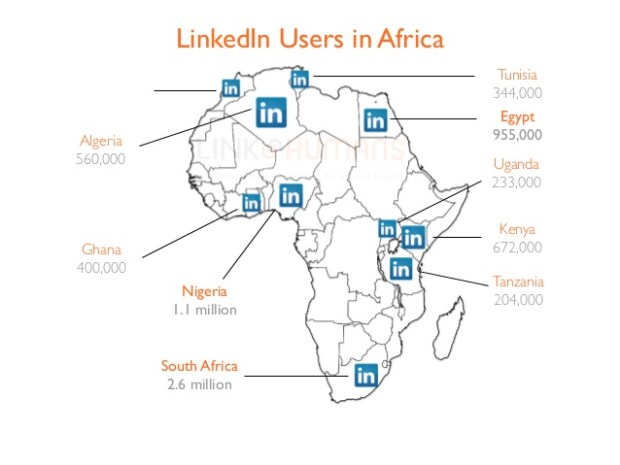
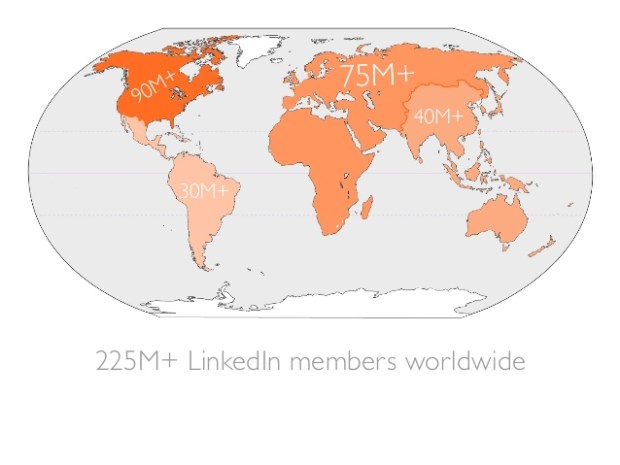
Infographic: Over 7.5 million Africans on LinkedIn; South Africa, Nigeria and Egypt account for over 60% of users
Africa is the world’s second largest and second most populous continent, after Asia. Social media in general is taking Africa by storm . Over 7.5 million Africans use LinkedIn, over 20% are entry-level, and the majority of the users are ages 18-34, most of them are male. LinkedIn is quickly gaining popularity among working class professionals in Africa though it is still far less popular compare to Facebook and Twitter. Other countries with the fastest growing number of users include Kenya, Ghana, Uganda, Tanzania, Zimbabwe, Algeria, Morocco, and Cameroon as seen in the images below.



 The Marketing Explorer