Transparency in Business: Why It’s Important

Brand transparency is the key to success in the digital world. Being open in business has never been more important, whether it is content marketing, customer service, business model, or responding to a crisis. Transparency is a great way to gain customers’ trust, following, traffic, loyalty, sales by converting visitors into customers.
In the digital age, customers and your competitors have tons information online available to them than ever before. Brands that follow the model of being transparency win. Companies slowly understand that customers want honesty which begins with knowing your customers or audience by building a community and by engaging in an ongoing dialogue. Customers research and look into different resources before making a purchase. What it means is that people look for the truth and the marketing jargon is becoming outdated.
Companies that take the leap absolutely see the rewards. For example, Moz, a company that sells inbound marketing and marketing analytics software subscriptions. Moz is one of the most recognized marketing technology company and the company is known to be very transparent and authentic. In 2012, Moz published their funding and results in full detail for everyone to see.
Another example is Buffer, a social media management software company. Buffer published the salaries of every employee, including the CEO. This move was very bold and I am sure this move made some of their employees uncomfortable. The results of this transparency were quite amazing, the company was praised for its bravery and they were flooded with resumes and gained a tremendous traffic and engagement on their site. Besides displaying how much each employee is making, but also the formula for how they arrived at such a salary. For example, one blog post received more than 381 comments.
In 2008, Domino’s Pizza surveyed their customers and shared the results/news publicly, which included negative feedbacks. As a result, Domino’s Pizza used the negative feedback to ask their customers to help them fix the problems. By 2009, the company’s stock jumped from $7.73 to $105.11.
There are many other companies that could have changed the outcome of their crisis through being transparent. For example:
Qantas – Twitter Nosedive
Microsoft (Xbox One) – Online Service
Volkswagen- Emissions
Transparency is becoming a cornerstone of brand communication and one of the most important factors in customer engagement. Brands can no longer afford not to align what a brand says and what a brand does. Consumers are becoming more interested in what a brand stand for and seek more information about the brand.
One particular example stands out, during Xbox One launch in the midst of the confusion and anger about their online subscription. One employee tweeted ‘’sorry I don’t get the drama around having an ‘always –on’ console. That’s the world we live in. #dealwithit.’ This angered a lot of customers, and the employee was fired.
This shows that brands should dismantle silos, build a customer centric and transparent business model that must be followed by the entire organization, not by a single department.

So, what do you think about transparency? Share your views.
Why Real-Time Marketing is Real
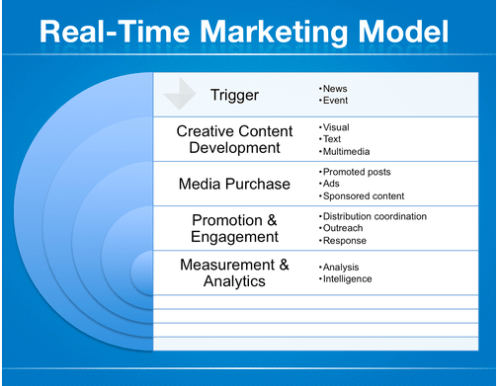
Real-time marketing refers to the speed in which the content hits the market.
Brands can use real-time marketing to monitor their digital environment, respond in real-time, build a relationship, increase and promote participation. Marketers are still trying to figure out how to master this strategy. Real-time marketing requires originality.
It takes grit and creativity for brands to successfully implement real-time marketing into their marketing tactics. It takes creativity to make a clever tweet but it brings a whole new level of creativity for brands to create mini-campaigns to leverage breaking news about their brands in a timely manner.
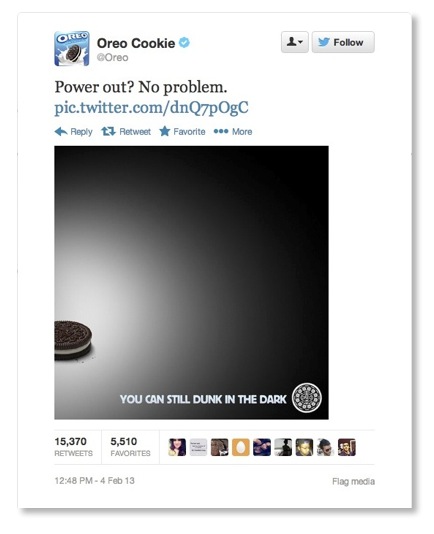
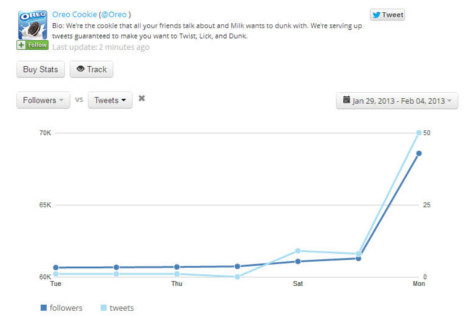
Oreo, a popular cookie brand, is one brand that introduced and dominated the concept of real-time marketing in the digital world. Oreo cookie released a simple special tweet/image that capitalized on an expected power outage second of half of the Super Bowl in February. Oreo cookie took two minutes after power failure to come up with this concept, the image led to a massive brand awareness boost to the brand. The image was retweeted more than 15,000 times, accrued 19,610 Facebook likes within the first hour.
Oreo’s marketing campaigns always spoke to the target audience. Oreo’s marketing team is definitely taking the digital world by storm; in the 2011 Guinness Book of World Records awarded them with the record of most “likes” on a Facebook post within 24 hours. Today, they have doubled their Facebook likes from 16 million to 32 million. Oreo cookie has one of the most creative and successful real-time marketing campaigns.
Janda Lukin, Brand Director said, “we will continue to look for ways to grow and expand in [the digital] area – always keeping the filter of looking at the world through the eyes of Oreo.
Oreo’s real-time digital marketing efforts have thus far paid off. By observing Oreo’s cookie marketing tactics, one can begin to understand what real-time marketing is and how it can be used with a good humor. Oreo 101-year old cookie has the best digital marketing campaign to date, and they have set a whole new standard for marketing in the digital age.
Zappos Real-Time Marketing
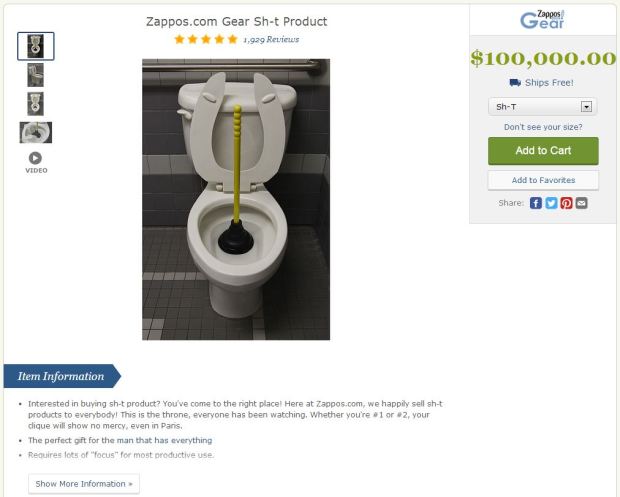
Zappos, an online clothing store. After Kanye West lashed out against Zappos in a radio interview; defaming the company by telling the world that the company sells “Sh*t products”. Zappos’ quick response was a toilet plunger: new product line named “Zappos.com Gear Sh*t Product.”
I applaud Zappos for a quick response to a crisis mixed with good humor. The art of real-time marketing is making sure you’re always ready.
See the picture below.


 The Marketing Explorer