Transparency in Business: Why It’s Important

Brand transparency is the key to success in the digital world. Being open in business has never been more important, whether it is content marketing, customer service, business model, or responding to a crisis. Transparency is a great way to gain customers’ trust, following, traffic, loyalty, sales by converting visitors into customers.
In the digital age, customers and your competitors have tons information online available to them than ever before. Brands that follow the model of being transparency win. Companies slowly understand that customers want honesty which begins with knowing your customers or audience by building a community and by engaging in an ongoing dialogue. Customers research and look into different resources before making a purchase. What it means is that people look for the truth and the marketing jargon is becoming outdated.
Companies that take the leap absolutely see the rewards. For example, Moz, a company that sells inbound marketing and marketing analytics software subscriptions. Moz is one of the most recognized marketing technology company and the company is known to be very transparent and authentic. In 2012, Moz published their funding and results in full detail for everyone to see.
Another example is Buffer, a social media management software company. Buffer published the salaries of every employee, including the CEO. This move was very bold and I am sure this move made some of their employees uncomfortable. The results of this transparency were quite amazing, the company was praised for its bravery and they were flooded with resumes and gained a tremendous traffic and engagement on their site. Besides displaying how much each employee is making, but also the formula for how they arrived at such a salary. For example, one blog post received more than 381 comments.
In 2008, Domino’s Pizza surveyed their customers and shared the results/news publicly, which included negative feedbacks. As a result, Domino’s Pizza used the negative feedback to ask their customers to help them fix the problems. By 2009, the company’s stock jumped from $7.73 to $105.11.
There are many other companies that could have changed the outcome of their crisis through being transparent. For example:
Qantas – Twitter Nosedive
Microsoft (Xbox One) – Online Service
Volkswagen- Emissions
Transparency is becoming a cornerstone of brand communication and one of the most important factors in customer engagement. Brands can no longer afford not to align what a brand says and what a brand does. Consumers are becoming more interested in what a brand stand for and seek more information about the brand.
One particular example stands out, during Xbox One launch in the midst of the confusion and anger about their online subscription. One employee tweeted ‘’sorry I don’t get the drama around having an ‘always –on’ console. That’s the world we live in. #dealwithit.’ This angered a lot of customers, and the employee was fired.
This shows that brands should dismantle silos, build a customer centric and transparent business model that must be followed by the entire organization, not by a single department.

So, what do you think about transparency? Share your views.
Target Market Selection
Target marketing is a particular market segment at which a marketing campaign is focused. When selecting a target market it is important to make sure that it fits the company’s objectives, resources, and capabilities.
There are different aspects that should be considered when evaluating your market segment. For instance; risk level, competition in the segment, the growth rate of the segment, brand loyalty of existing customers in the segment, the size of the segment, sales potential, etc. There are other market research and analysis that should also be considered like test marketing, buyer intentions, and sales potential.
Different market segments for targeting:
- Single-segment/concentrated- one market and not the entire market.
- Selective specialization/differentiated strategy- a segment that is based on its range of products instead of one market.
- Market specialization- specializes in serving one particular market segment with an array of different products.
- Full market specialization- targets the entire market. This is a mass market strategy, different segments.
If a company develops a strong competitive advantage, it may find it profitable to pursue a larger segment. Although larger segments may have more competition and not necessarily profitable. It’s important for the company to offer superior value to the targeted segment and also get a positive return on investment.
Gamification


Gamification is the application of typical elements of game playing (e.g., point scoring, competition with others, rules of play) to other areas of activity, typically as an online marketing technique to encourage engagement with a product or service. Another definition is gamification is the concept of applying game-design thinking to non-game applications to make them more fun and engaging.
Gamification is playing a huge part in marketing and business in general. Although, many consider gamification as a fad, I think a properly implemented gamification system can have a successful outcome. I will discuss how a successful gamification system can extend relationships, engagement, drive employees and customer loyalty.
Gamification attributes fun, fast feedback, play, transparency, competition, collaboration, and design.
The first factor that determines a successful gamification strategy is intrinsic motivation. Intrinsic motivation is a drive that comes from within, inside an individual and not from external (extrinsic) sources.
Andrzej Marczewski’s RAMP theory illustrates that there are four key motivational drives which should be used to implement a successful gamified system.
- Relatedness: social status, connections, belonging.
- Autonomy: creativity, choice, freedom, responsibility.
- Mastery: learning, personal development, levels.
- Purpose: altruism, meaning, a reason why
Relatedness is the “glue” in making gamification successful. A lot of people have the desire to interact and be connected with others; there is a sense of belonging and being connected.
Gamification examples:

Deloitte, one of the world’s largest consulting firms in the world used Badgeville gamification and behavior management platforms to connect their consultants across the globe. The purpose was for all consultants around the world to share knowledge and expertise. With help from Yammer (social media platform) and the Geo-location system Who, What, Where and Badgeville mobile SDK, they created a mobile application that rewarded their consultants for “checking in”. According to Deloitte, they have seen an increase in knowledge sharing and better collaboration between the company and employees.
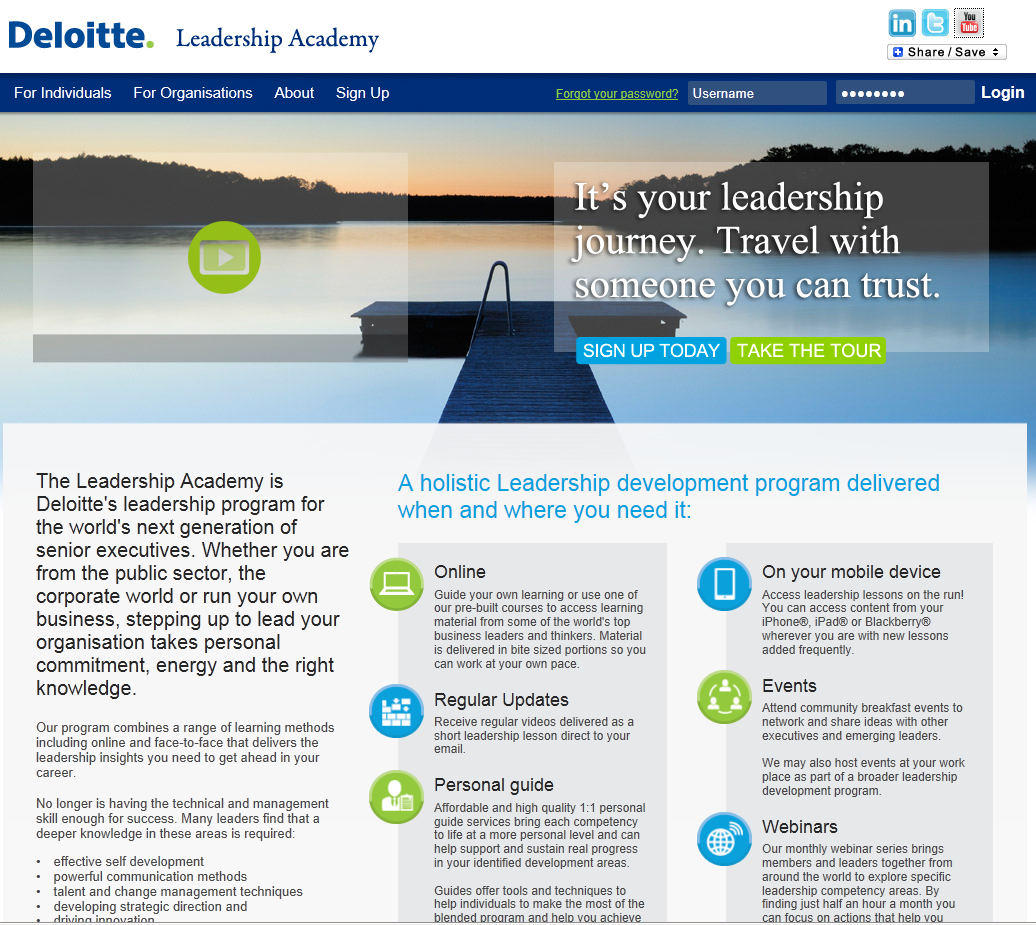
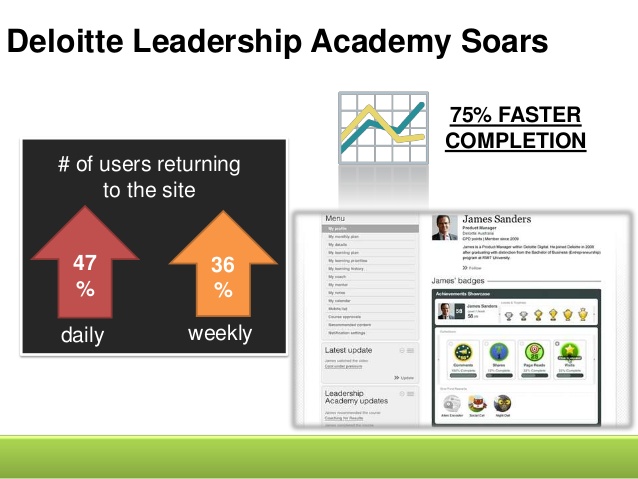
Deloitte created a leadership academy, an executive program that enables their executives to through training. To gamify, they used missions, rewards, ranks, status and more. They saw an increase in user retention, active user engagement, and adoption.
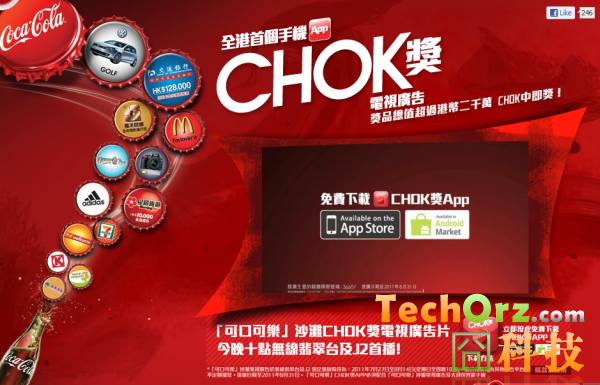
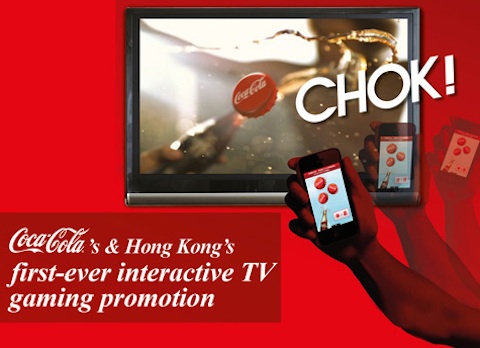
Coca-Cola is one company that has been very innovative with their marketing campaigns by using gamification. In South Korea, Coca-Cola used a vending machine challenge at a mall for visitors to dance for a chance to win a free coke. A different challenge was created in Europe, which challenged commuters to be James Bond to promote the release of Skyfall.
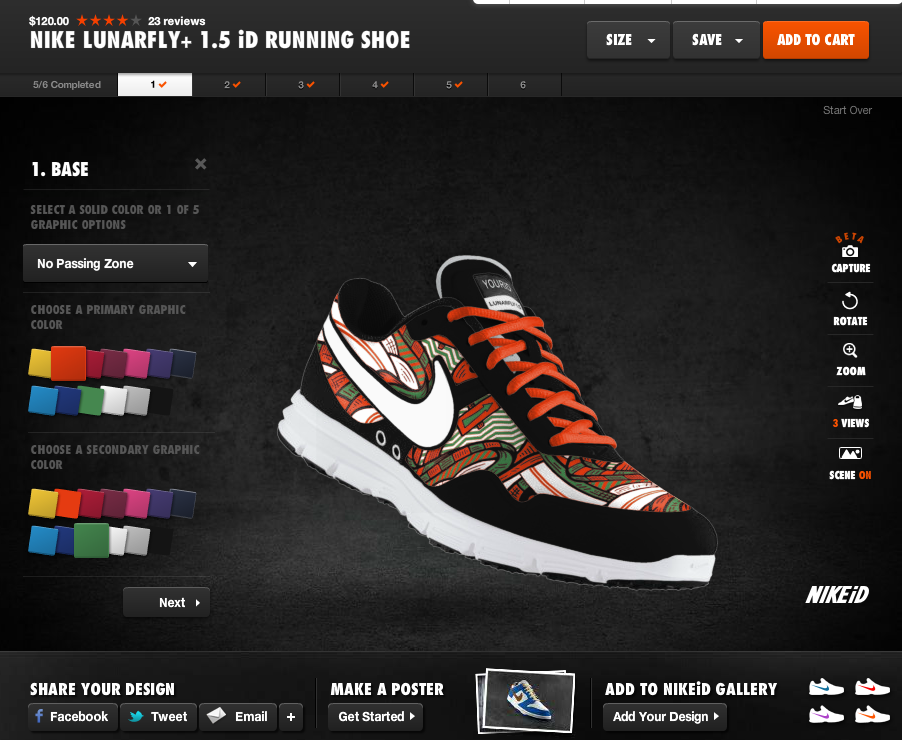
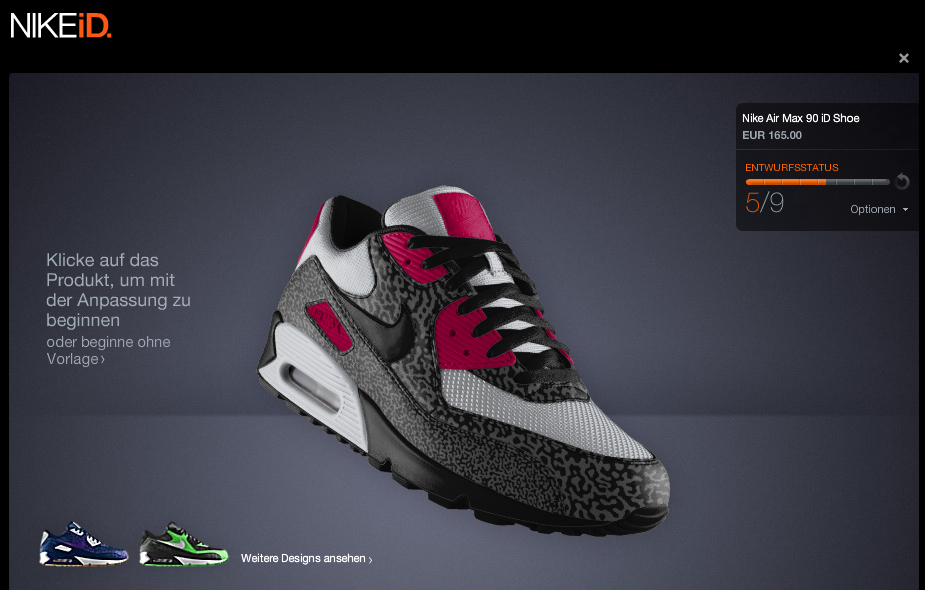
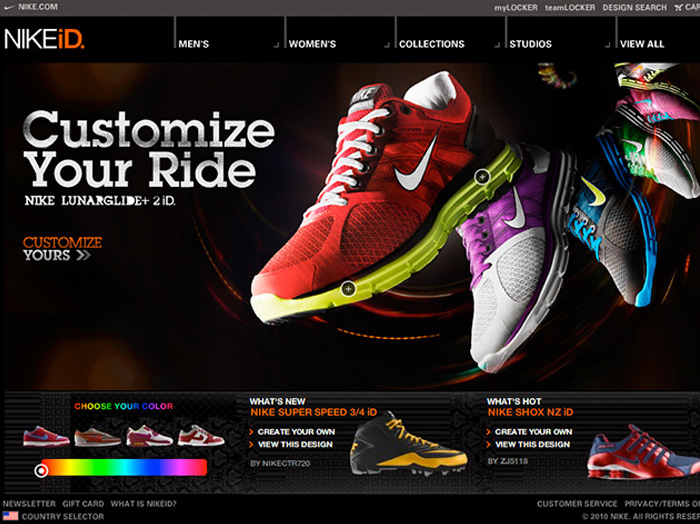
Nike is another company that is using gamification to engage with their customers. Nike started NikeiD shoes, it allows customers to customize their own shoe with their favorite colors, materials, sizing, and any other personalization a customer may wish.

Air Miles gamify travel by encouraging customers to collect miles that in return they can exchange for goods and services. To build up more points, customers buy extra flights. Through this model, it enables airlines to increase ticket sales since customers buy extra flights to build up points.
These examples showcase that a properly implemented gamification system can increase engagement, drive employees and customer loyalty.
Marketo Blog – My Favorite Blog
The Marketo blog is one of my favorite marketing blog. This blog has so many features and categories to choose from social media to marketing automation as a digital marketer I find that very useful. The blog doesn’t have a lot of comments which is very un-usual for a blog of this magnitude, but most of their articles are shared on social media.
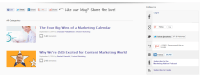
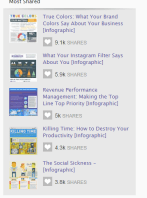
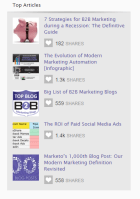
The most intriguing part of this blog is the fact that I can spend hours digging into the archives. On top of the page they have different sections like the new post, featured posts and hot posts. These features give me an option to which section I would like to visit. On the side of the blog, you can see the most shared articles, top articles and how a reader can connect with them on social media.
In addition, they offer podcast with different episodes plus their expertise on free tools and best practices for marketers.

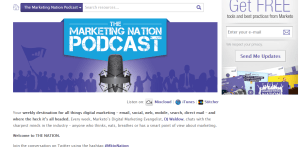
This blog is very informative and as a reader, I feel a connection with the writer. This blog is a perfect example of “simplicity”.
“The art of art, the glory of expression and the sunshine of the light of letters, is simplicity” ~Walt Whitman
Why Real-Time Marketing is Real
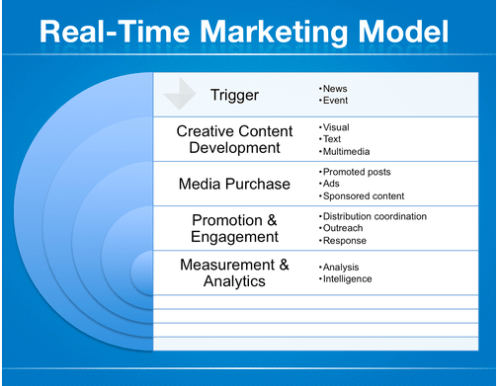
Real-time marketing refers to the speed in which the content hits the market.
Brands can use real-time marketing to monitor their digital environment, respond in real-time, build a relationship, increase and promote participation. Marketers are still trying to figure out how to master this strategy. Real-time marketing requires originality.
It takes grit and creativity for brands to successfully implement real-time marketing into their marketing tactics. It takes creativity to make a clever tweet but it brings a whole new level of creativity for brands to create mini-campaigns to leverage breaking news about their brands in a timely manner.
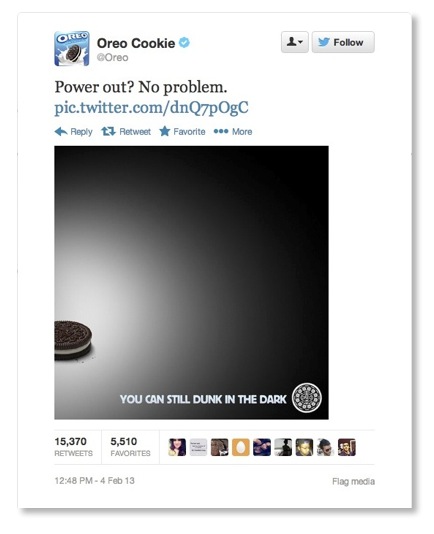
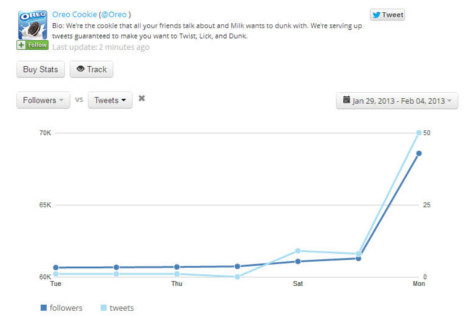
Oreo, a popular cookie brand, is one brand that introduced and dominated the concept of real-time marketing in the digital world. Oreo cookie released a simple special tweet/image that capitalized on an expected power outage second of half of the Super Bowl in February. Oreo cookie took two minutes after power failure to come up with this concept, the image led to a massive brand awareness boost to the brand. The image was retweeted more than 15,000 times, accrued 19,610 Facebook likes within the first hour.
Oreo’s marketing campaigns always spoke to the target audience. Oreo’s marketing team is definitely taking the digital world by storm; in the 2011 Guinness Book of World Records awarded them with the record of most “likes” on a Facebook post within 24 hours. Today, they have doubled their Facebook likes from 16 million to 32 million. Oreo cookie has one of the most creative and successful real-time marketing campaigns.
Janda Lukin, Brand Director said, “we will continue to look for ways to grow and expand in [the digital] area – always keeping the filter of looking at the world through the eyes of Oreo.
Oreo’s real-time digital marketing efforts have thus far paid off. By observing Oreo’s cookie marketing tactics, one can begin to understand what real-time marketing is and how it can be used with a good humor. Oreo 101-year old cookie has the best digital marketing campaign to date, and they have set a whole new standard for marketing in the digital age.


 The Marketing Explorer
I Got Schooled: Blogging and Content Tips
Great lessons from Todd Giannattasio, President, CEO The Tresnic Media.
Once you have established your content and SEO, the next is to promote your blog content on various social media channels. This is a great way to get your blog in front of the right audience by creating awareness. When your content is shared on different social media channels it will be reached by current followers, reposted, or retweeted which will help you reach a new audience. As a blogger, you should have an email list, this is a great way to provide consistent traffic from those subscribed to your updates.
One great platform, that is very useful to cross promote is LinkedIn groups. Keep in mind the most important is owning your platform, but LinkedIn is very good when it comes to engaging with members of the group. This can create an opportunity to be recognized as “Top Influencer” in the group which builds visibility. Later on you can start your own group and invite others to join the conversation. One should also remember it is extremely important to avoid promoting, a better way to do this is posting articles that solve problems and not sales-related materials.
Final recommendation from Todd is to have a long-term goal. For instance; Todd’s goal is to become the number one content marketer on twitter. Last advice is comments that you can choose to turn comments “off”. It becomes are a matter of preference whether you allow comments or not.
Share this: