Transparency in Business: Why It’s Important

Brand transparency is the key to success in the digital world. Being open in business has never been more important, whether it is content marketing, customer service, business model, or responding to a crisis. Transparency is a great way to gain customers’ trust, following, traffic, loyalty, sales by converting visitors into customers.
In the digital age, customers and your competitors have tons information online available to them than ever before. Brands that follow the model of being transparency win. Companies slowly understand that customers want honesty which begins with knowing your customers or audience by building a community and by engaging in an ongoing dialogue. Customers research and look into different resources before making a purchase. What it means is that people look for the truth and the marketing jargon is becoming outdated.
Companies that take the leap absolutely see the rewards. For example, Moz, a company that sells inbound marketing and marketing analytics software subscriptions. Moz is one of the most recognized marketing technology company and the company is known to be very transparent and authentic. In 2012, Moz published their funding and results in full detail for everyone to see.
Another example is Buffer, a social media management software company. Buffer published the salaries of every employee, including the CEO. This move was very bold and I am sure this move made some of their employees uncomfortable. The results of this transparency were quite amazing, the company was praised for its bravery and they were flooded with resumes and gained a tremendous traffic and engagement on their site. Besides displaying how much each employee is making, but also the formula for how they arrived at such a salary. For example, one blog post received more than 381 comments.
In 2008, Domino’s Pizza surveyed their customers and shared the results/news publicly, which included negative feedbacks. As a result, Domino’s Pizza used the negative feedback to ask their customers to help them fix the problems. By 2009, the company’s stock jumped from $7.73 to $105.11.
There are many other companies that could have changed the outcome of their crisis through being transparent. For example:
Qantas – Twitter Nosedive
Microsoft (Xbox One) – Online Service
Volkswagen- Emissions
Transparency is becoming a cornerstone of brand communication and one of the most important factors in customer engagement. Brands can no longer afford not to align what a brand says and what a brand does. Consumers are becoming more interested in what a brand stand for and seek more information about the brand.
One particular example stands out, during Xbox One launch in the midst of the confusion and anger about their online subscription. One employee tweeted ‘’sorry I don’t get the drama around having an ‘always –on’ console. That’s the world we live in. #dealwithit.’ This angered a lot of customers, and the employee was fired.
This shows that brands should dismantle silos, build a customer centric and transparent business model that must be followed by the entire organization, not by a single department.

So, what do you think about transparency? Share your views.
Beats by Dre
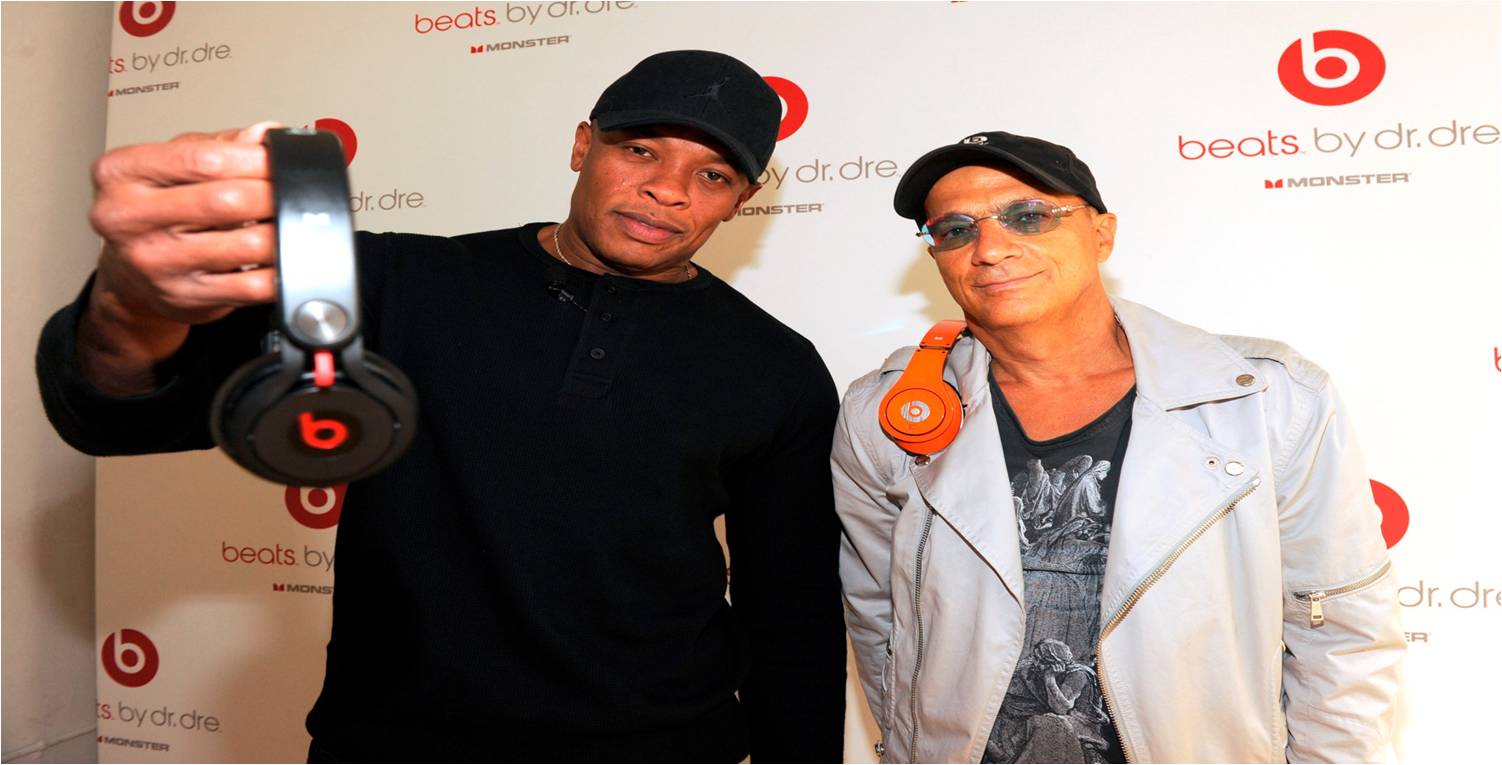
“People aren’t hearing all the music.”
Beats electronics founded in 2006 by legendary producer Andre Young, known as Dr. Dre and Jimmy Iovine. The company slogan is “People aren’t hearing all the music.”Beats family (products) includes headphones, ear buds, speakers and beats music.
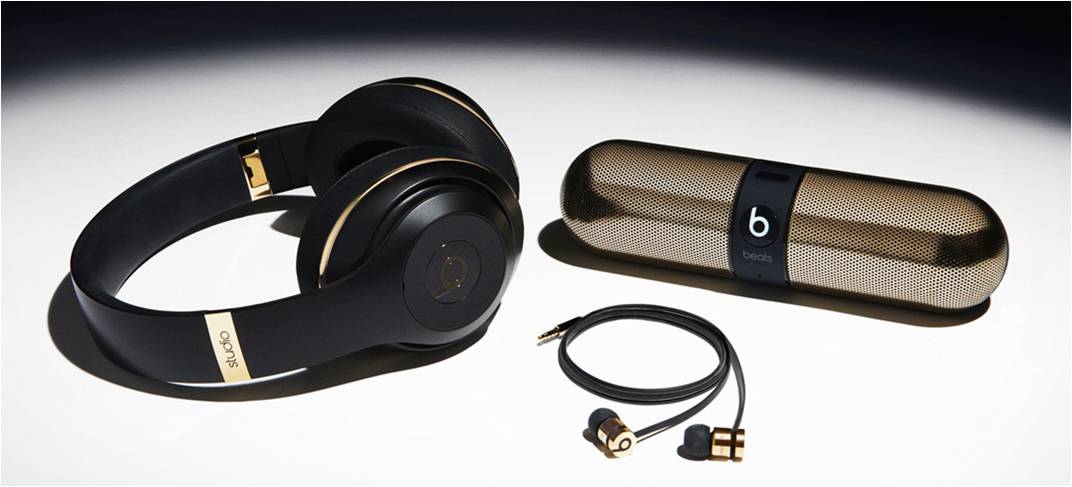

In a social context, whoever wears or owns any Beats products are seen as a fashionable, flashy music enthusiast. Beats products are considered fun, trendy, good quality and high-performance products.
In the marketing world, Beats is known for its compelling campaigns and creative marketing strategies. Beats uses its product a certain image which allows the consumers to interact with their products. Beats use an image of quality and style of their product to attract desire. By making their products “cool” and trendy, as one of the strategies that make Beats stand out.

Strategy
It is unusual to see headphones or audio equipment advertising because many companies in this industry relied on the retailer’s recommendation to their clients.
Celebrity Influencers
Beats uses celebrity influencers in their campaigns (musicians, athletes, actors), they believe young people might idolize them. Below are the examples of celebrity influencers:
- JustBeats Solo by Justin Bieber
- Heartbeats by Lady Gaga
- PowerBeats by LeBron James




Compelling Campaigns/Visual Branding

Ambush Marketing
During World Cup 2014 and summer Olympics in London 2012, Beats used ambush marketing to capture their customers. To get its message across at the Olympics, Beats sent every athlete a pair of Beats headphones. Beats was also banned by FIFA at the World Cup 2014 and players from all 32 teams. Sony was the official sponsor. This generated a lot of buzz for Beats and although Sony sent free headphones to every team, players stuck with Beats. Just because the Beats was not the official sponsor, it did not stop them from spreading its message and have a presence. Beats is a fearless brand and it turned a negative situation into an opportunity. Beats used this Ad below:
Emotion
Beats uses emotions in most of their campaigns. For instance, “Hear What you Want” campaign, it uses real stories from athletes. Emotions play a huge role in marketing, and an effective way to connect with your audience/customers. Other companies like Dove have also used this strategy. Even if your product or brand is not emotional, it is important to implement a story that will connect with your consumers.
Beats remain authentic while they take risks, think outside the box and using an emotional feel to their products to boost their brand.

Social Responsibility
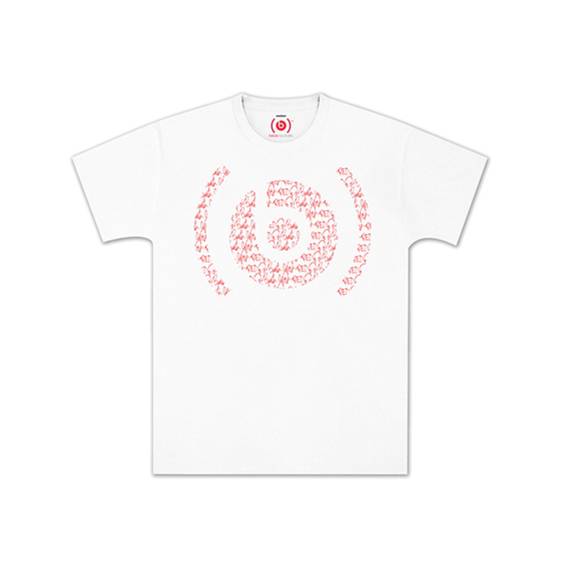
Beats by Dre fights for an Aids-free generation by creating (RED) merchandising. Beats contributes $5 from each Solo2 (PRODUCT) RED Special Edition. In addition, $17 from every purchase of Beats Loves (RED) Special Edition T-shirt.
Apple acquired beats music & beats electronics for $3.2 billion. Bingo!
Target Market Selection
Target marketing is a particular market segment at which a marketing campaign is focused. When selecting a target market it is important to make sure that it fits the company’s objectives, resources, and capabilities.
There are different aspects that should be considered when evaluating your market segment. For instance; risk level, competition in the segment, the growth rate of the segment, brand loyalty of existing customers in the segment, the size of the segment, sales potential, etc. There are other market research and analysis that should also be considered like test marketing, buyer intentions, and sales potential.
Different market segments for targeting:
- Single-segment/concentrated- one market and not the entire market.
- Selective specialization/differentiated strategy- a segment that is based on its range of products instead of one market.
- Market specialization- specializes in serving one particular market segment with an array of different products.
- Full market specialization- targets the entire market. This is a mass market strategy, different segments.
If a company develops a strong competitive advantage, it may find it profitable to pursue a larger segment. Although larger segments may have more competition and not necessarily profitable. It’s important for the company to offer superior value to the targeted segment and also get a positive return on investment.


 The Marketing Explorer