Gamification

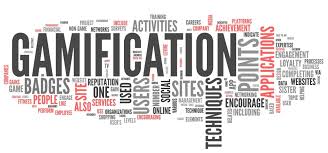
Gamification is the application of typical elements of game playing (e.g., point scoring, competition with others, rules of play) to other areas of activity, typically as an online marketing technique to encourage engagement with a product or service. Another definition is gamification is the concept of applying game-design thinking to non-game applications to make them more fun and engaging.
Gamification is playing a huge part in marketing and business in general. Although, many consider gamification as a fad, I think a properly implemented gamification system can have a successful outcome. I will discuss how a successful gamification system can extend relationships, engagement, drive employees and customer loyalty.
Gamification attributes fun, fast feedback, play, transparency, competition, collaboration, and design.
The first factor that determines a successful gamification strategy is intrinsic motivation. Intrinsic motivation is a drive that comes from within, inside an individual and not from external (extrinsic) sources.
Andrzej Marczewski’s RAMP theory illustrates that there are four key motivational drives which should be used to implement a successful gamified system.
- Relatedness: social status, connections, belonging.
- Autonomy: creativity, choice, freedom, responsibility.
- Mastery: learning, personal development, levels.
- Purpose: altruism, meaning, a reason why
Relatedness is the “glue” in making gamification successful. A lot of people have the desire to interact and be connected with others; there is a sense of belonging and being connected.
Gamification examples:

Deloitte, one of the world’s largest consulting firms in the world used Badgeville gamification and behavior management platforms to connect their consultants across the globe. The purpose was for all consultants around the world to share knowledge and expertise. With help from Yammer (social media platform) and the Geo-location system Who, What, Where and Badgeville mobile SDK, they created a mobile application that rewarded their consultants for “checking in”. According to Deloitte, they have seen an increase in knowledge sharing and better collaboration between the company and employees.
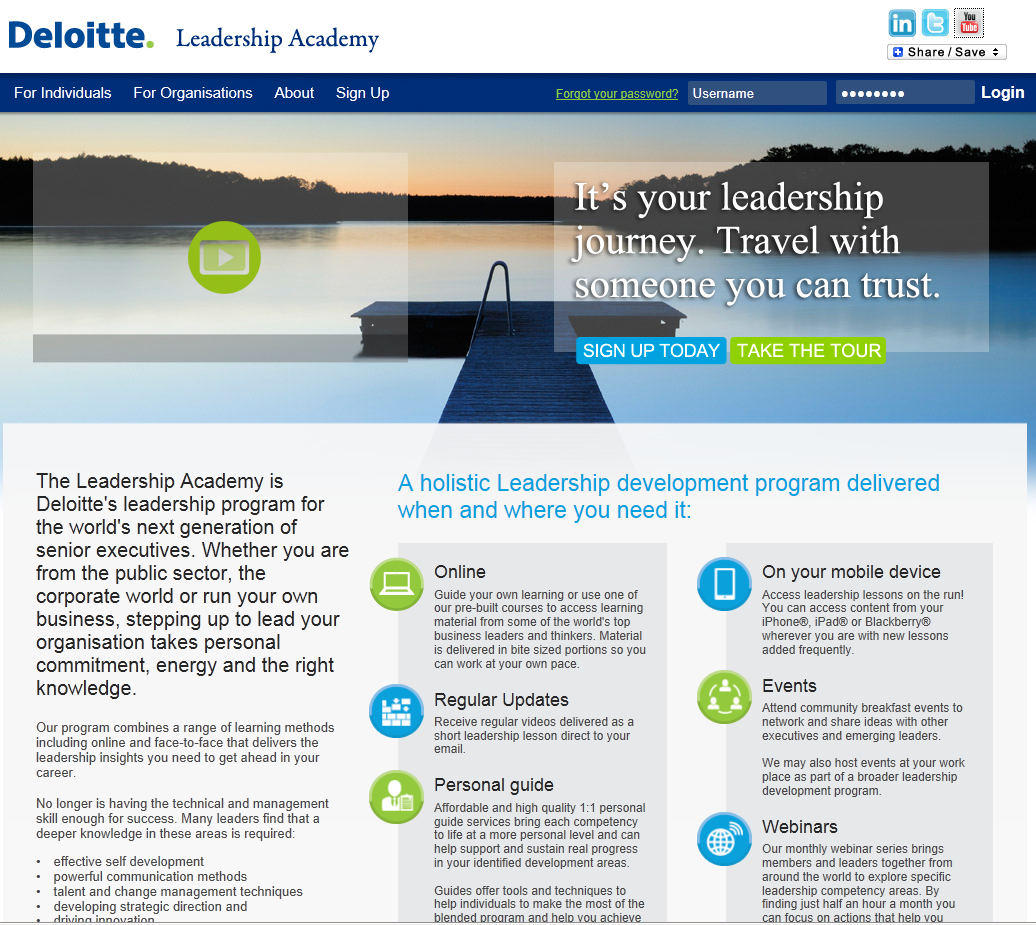
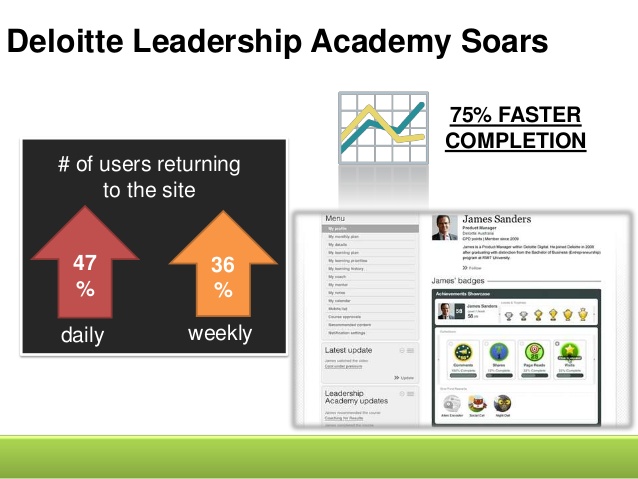
Deloitte created a leadership academy, an executive program that enables their executives to through training. To gamify, they used missions, rewards, ranks, status and more. They saw an increase in user retention, active user engagement, and adoption.
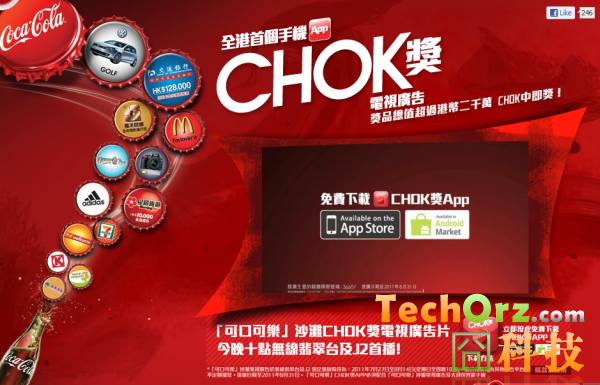
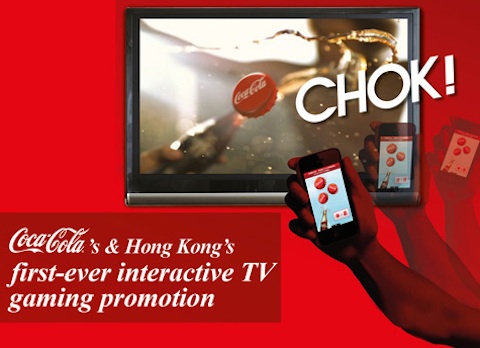
Coca-Cola is one company that has been very innovative with their marketing campaigns by using gamification. In South Korea, Coca-Cola used a vending machine challenge at a mall for visitors to dance for a chance to win a free coke. A different challenge was created in Europe, which challenged commuters to be James Bond to promote the release of Skyfall.
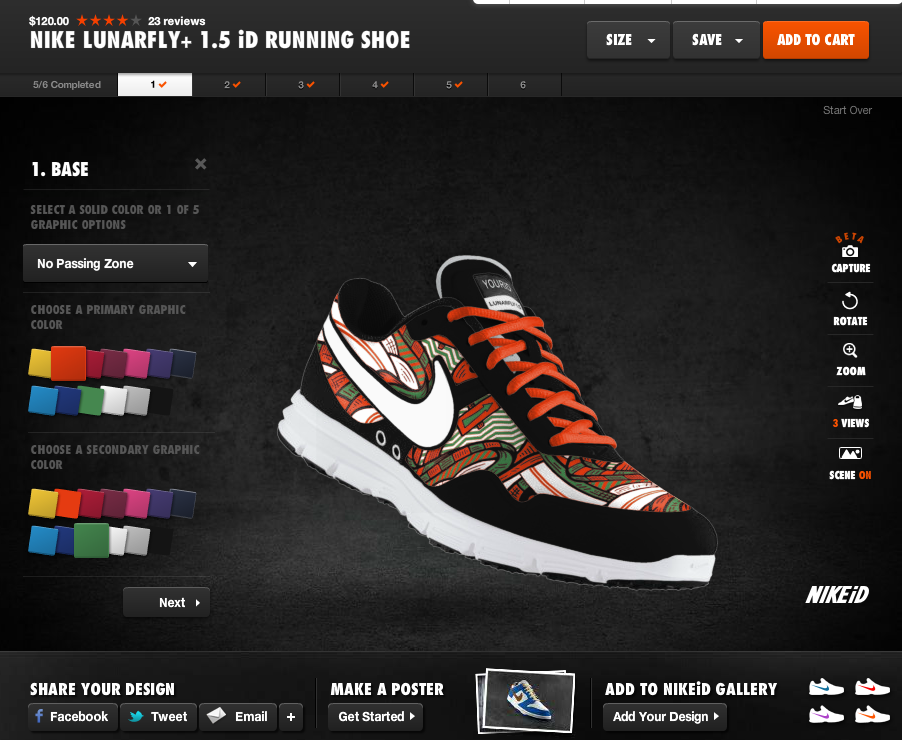
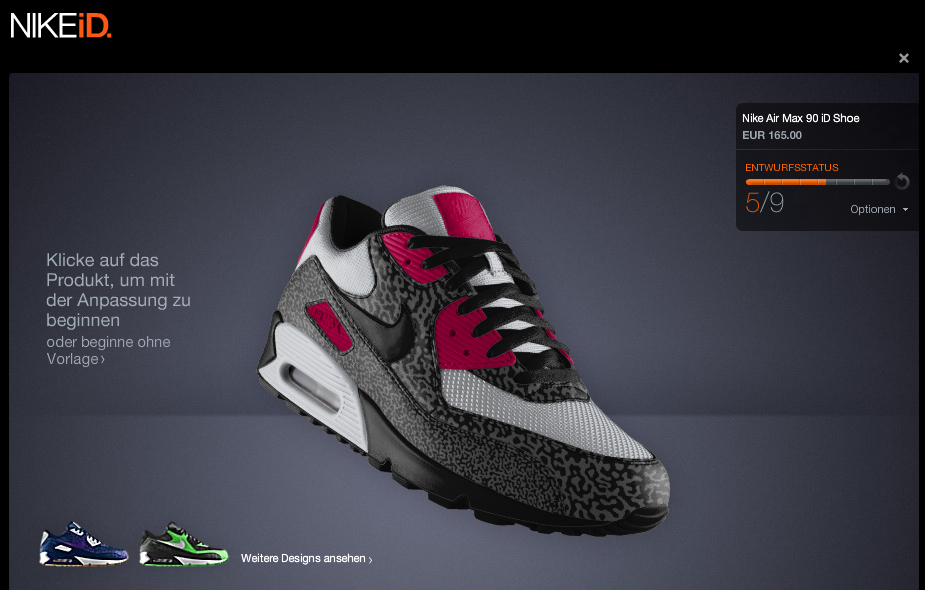
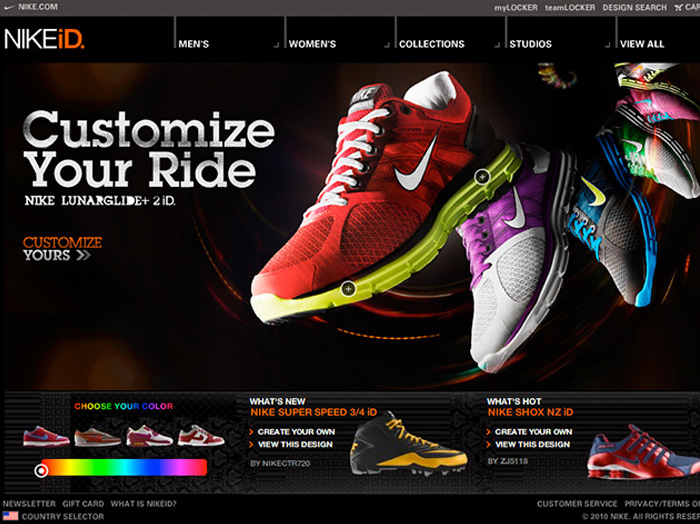
Nike is another company that is using gamification to engage with their customers. Nike started NikeiD shoes, it allows customers to customize their own shoe with their favorite colors, materials, sizing, and any other personalization a customer may wish.

Air Miles gamify travel by encouraging customers to collect miles that in return they can exchange for goods and services. To build up more points, customers buy extra flights. Through this model, it enables airlines to increase ticket sales since customers buy extra flights to build up points.
These examples showcase that a properly implemented gamification system can increase engagement, drive employees and customer loyalty.
Color in Branding
We all encounter color in our everyday lives, from traffic lights to the products we buy. Color certainly influences what we read and what we buy. Have you ever thought about the importance of color in branding?
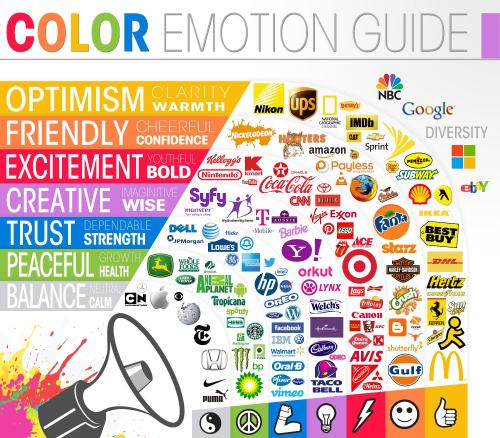
The proper use of color in branding is vital, and it plays an integral part in memory recall. Color stimulates all the senses, instantly conveying a message like no other communication method. Color conveys meaning and message without words and it should represent your brand’s image.
Choosing the correct color for your brand is crucial, the colors you use in your branding efforts should be carefully weighed because it sets you apart from your competitors’ products and logo. Each color triggers certain emotional and psychological reactions.
You want your brand perceived in a way that is rememberable to your customers, some brands are instantly recognizable by their colors. For example, McDonald’s use their brand color “yellow” to great effect. Yellow is the most visible color, which is why the McDonald’s M can be seen from a great distance. (Test your knowledge of trademarked colors by taking this pop quiz)
Visualize the color blue
Blue is a very popular color for corporate websites because it conveys communication, authority, and clarity. Many global companies like IBM, JP Morgan, Samsung, AT&T, BMW and General Electric use blue as the primary color in their logo. And most websites incorporate blue or at least one shade of blue into a design or logo.
 Have you ever thought why social media sites use blue? Twitter, Tumblr, WordPress, LinkedIn and Facebook, they all use blue in their brands.
Blue is gender neutral and generally associated with the mind and intellect and it is the most popular color in the universe. This is not a coincidence that all social media giants picked blue. There is no doubt that they must have invested a great deal of money and time to make sure that they chose the right color for their brands.
Blue dominates the world-wide web including my blog header. From Reddit, Skype, Mashable, Foursquare, Digg, MSN Windows Live, Mozilla Firefox, Microsoft, Skype, the White House website.
Facebook CEO Mark Zuckerberg was asked why he decided to make Facebook blue in an interview. His answer was “Blue is the richest color for me and I can see all of blue”
Color plays an integral factor in the success of your business! Think carefully and choose wisely.
Do you believe there is a psychology of color?
Recognisable Brands Test brand color test
Lastly, if you’re questioning the power of color in branding, look at this example:



 The Marketing Explorer