Social media can be used for different goals. For example, Oprah’s opinion on literature has inspired millions to choose titles from her book club. But you don’t have to be Oprah to have influence. You influence your friend when she listens to a song you recommend on Facebook. You influence your coworker when he checks an article you posted on LinkedIn and shares it with someone else. Social actions like these are reflections of influence.
As a company you can influence one customer to another. For example, a loyal customer can act upon others by a simple tweet, feedback or an RT (retweet) that mentions the brand. It is important for organizations to focus on cultivating the engagement and not figures.
Define your target audience and find specific areas of expertise. Don’t try to cater to everyone. Alternatively, if you are really keen to progress to power users, key decision makers and influencers, your content should be designed around your market. Social media is simple and yet complicated.
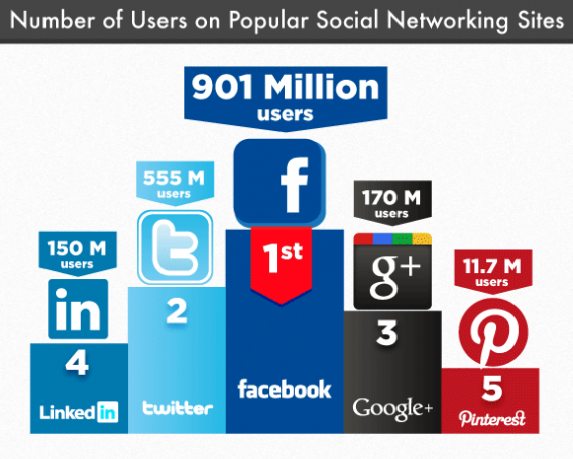
It’s complicated because you have to know your audience so well that you know exactly what social media platforms they use regularly. Is it Facebook? Twitter? YouTube? LinkedIn? The focus should be which social network is generating more audience and engagement, see the example:
 ROI = (Gain from the Investment – Cost of Investment) /Cost of the Investment
Marketing VS. ROI
Social media marketing should never be done as a stand-alone campaign, and it should always support your other marketing initiatives. Social media is not an activity that can exist on its own. For social media to be beneficial, it is important to co-exist alongside other activities such as offline marketing, digital marketing, public relations, and advertising.


 The Marketing Explorer